
HIV Services Spotlight: Lawrence’s Journey with Quest Center
When Lawrence moved to Portland seven years ago, he was starting over. He had left behind a long chapter of his life in Los Angeles, a city he had called home for 25 years.
The move wasn’t just a change of scenery; it marked a new beginning in Lawrence’s decades-long journey of self-acceptance.
“I was raised Mormon in Utah,” he explains. “Very straight environment. I knew from a very early age that I was different.” For the first 35 years of his life, Lawrence tried to live within the strict expectations of his faith and community. He served a mission, married at 24, and had children, all while quietly pushing down his identity as a gay man. “They kept saying, ‘Get married, have kids, you’ll change.’ But nothing changed.”
After his marriage ended, Lawrence moved to Los Angeles for a job. It was there, surrounded by a more open and supportive environment, that he came out. “And boy, did I come out of the closet,” he laughs. “It was so freeing.”
Still, Lawrence approached that freedom with care. “I wanted my kids to have a positive experience of having a gay dad. I didn’t want them to see me as a totally different person. I wanted them to see that I was still me, just finally honest about who I was.”
A New Challenge
Ten years after coming out, Lawrence faced another life-changing moment that would again test his resilience.
He contracted HIV in 2004, after being assaulted by a man he was dating. The experience was traumatic. “He knew what he was doing,” Lawrence says. “My doctor told me he hadn’t been on medication, and that he was likely trying to infect others knowingly.”
At the time, Lawrence had no idea how to process what had happened. “I was angry, I was in shock,” he remembers. “I thought about going to the police, but my doctor said, ‘You won’t get sympathy. They’ll say you got what you deserved.’ That broke me.”
Through therapy and determination, he began to rebuild. He found an HIV clinic in Los Angeles that provided some services, but the care was fragmented - medical treatment in one place, therapy somewhere else, and community support in another. “It just wore me down,” he says. “Every time one program lost funding, I had to start all over again.”
So when he arrived in Portland years later and was referred to Quest Center for Integrative Health, everything changed.
Discovering Quest Center
“My doctor at OHSU suggested I come to Quest,” Lawrence says. “I needed therapy for anxiety and depression, and when I got here, I was amazed. Everything was under one roof: therapy, support groups, nutrition, wellness. I thought, ‘Wow, I don’t have to go anywhere else?’”
He began working with a therapist who helped him build confidence and self-compassion. “Some days I didn’t want to go,” he admits. “But they were patient. They helped me show up for myself again. I started walking, eating better, and taking care of myself. My daughter even noticed the difference.”
For someone who had spent years navigating fragmented systems, Quest’s integrated model was life-changing. “It’s all here,” Lawrence says. “Therapy, medical support, and community. Everything connects.”
Finding Community in Men’s Group
One of the most transformative parts of Lawrence’s experience has been joining Quest’s HIV Men’s Group. “I held off for about a year,” he says. “Then I decided to join right before the pandemic… then of course, the next week, everything shut down.”
Even so, the group continued to meet on Zoom. “It wasn’t the same as being in person, but it was something,” Lawrence says. “I finally had a community again.”
When the group was able to meet face-to-face, that sense of connection deepened. “It’s been a lifesaver,” he says. “The men’s group gave me community after years of isolation. Moving from L.A., losing my old networks, then going through the pandemic. Quest helped me rebuild all that.”
He lights up describing the group’s activities: nutrition nights, outdoor gatherings, and creative projects led by staff like Alex and Jake. “They’re just so thoughtful with what they plan,” he says. “And the food! Anytime you add food to community, it’s next level. For someone on a limited income, a good meal means a lot, and it’s always healthy, always made with care.”
The Power of Peer Support
At Quest, Lawrence also connected with a trained peer support specialist who could provide one-on-one support outside of therapy. “I didn’t know what a peer was before,” he admits. “In L.A., we just had group leaders. But at Quest, your peer is someone you can call, meet with, and get help from in daily life.”
That support has been both practical and personal. “Alex once came to my apartment to fix my recliner because I need it for mobility,” Lawrence says. “He even helped me switch the blades on my ceiling fan. And Jake, we used to meet for coffee just to check in. Those small things mean a lot.”
That kind of care helped Lawrence push through difficult days and celebrate victories like walking again. “Because of hip issues, mobility has been tough,” he says. “But with their encouragement, I started walking at a high school track near my home. Now I’m up to three and a half miles every few days. That’s huge for me.”
Living Well with HIV
For Lawrence, being HIV-positive no longer defines his life, and that’s exactly what he wants others to understand. “The only time I think about HIV is when I take my pill every morning,” he says. “That’s it.”
He recently shared his HIV status with his adult children after many years of keeping it private, which was a decision he made to protect them when they were younger. “My doctor had said, ‘Let them have a childhood,’” Lawrence explains. “If I had told them then, it would’ve caused drama (within family). So I waited.”
When they finally found out, accidentally, after a hospital visit, their response was compassionate and informed. “My daughter just asked, ‘Is there anything you want to tell me about your life?’” he recalls with a smile. “I said, ‘Oh yeah, HIV, huh?’ And it turned out not to be a big deal. They were cool about it. My daughter-in-law even has a master’s in public health, so she understood completely.”
Lawrence emphasizes the importance of education and awareness: “I wish more people understood U=U: undetectable equals untransmittable. I’m healthy, I can’t transmit the virus, and it’s not a death sentence. People still think HIV means AIDS, but that’s not true.”
Finding Wholeness
Today, Lawrence feels grounded, confident, and hopeful, in many ways thanks to the care and community he’s found at Quest. “Quest has been a lifesaver,” he says simply. “The support, the people, the services, they’ve helped me rebuild my life here in Portland. When I came, I didn’t know anyone. Now, I have community again.”
He pauses, thinking about how far he’s come, from growing up Mormon in Utah, to coming out in Los Angeles, to finding belonging in Portland. “I’ve been through some really dark times,” he says. “But being here, with this support, has helped me get back to who I am.”
“I can honestly say,” he adds, “Quest is what’s gotten me through my time in Portland. They’ve given me back my confidence and my life.”
If you or someone you know is living with HIV, Quest Center offers integrated, affirming care including medical services, therapy, support groups, nutrition, acupuncture, and peer support. Learn more about our HIV Services program here.
Consider supporting Quest Center’s work to provide compassionate and affirming integrative care with a donation to our Give!Guide campaign!
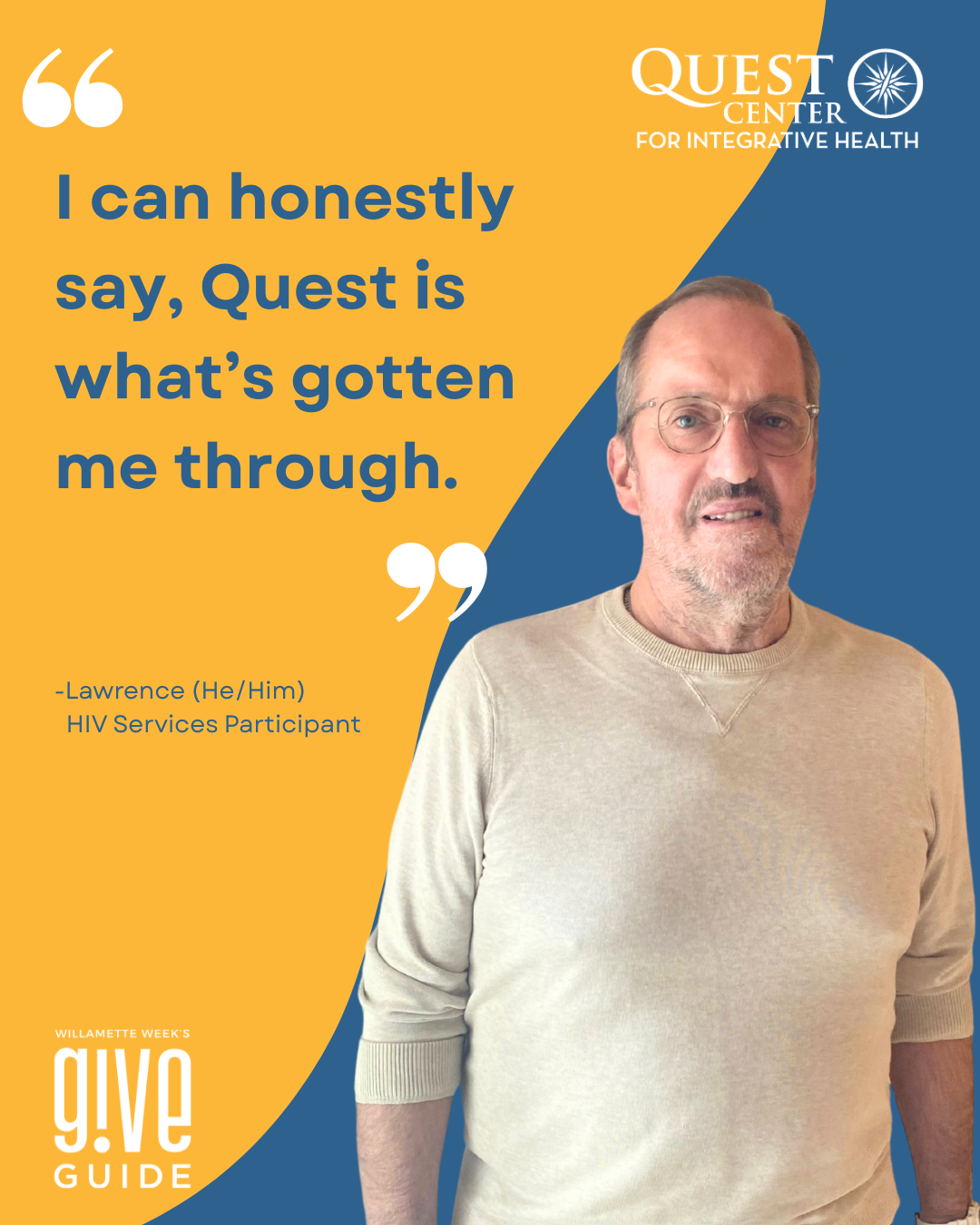
Lawrence stands next to his quote: “I can honestly say, Quest is what’s gotten me through.”
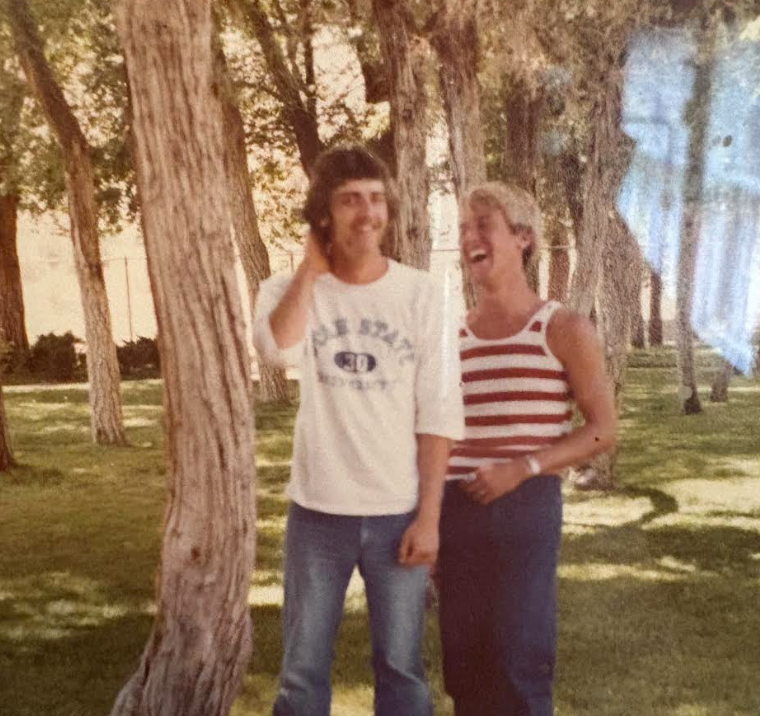
Lawrence and his teen crush.
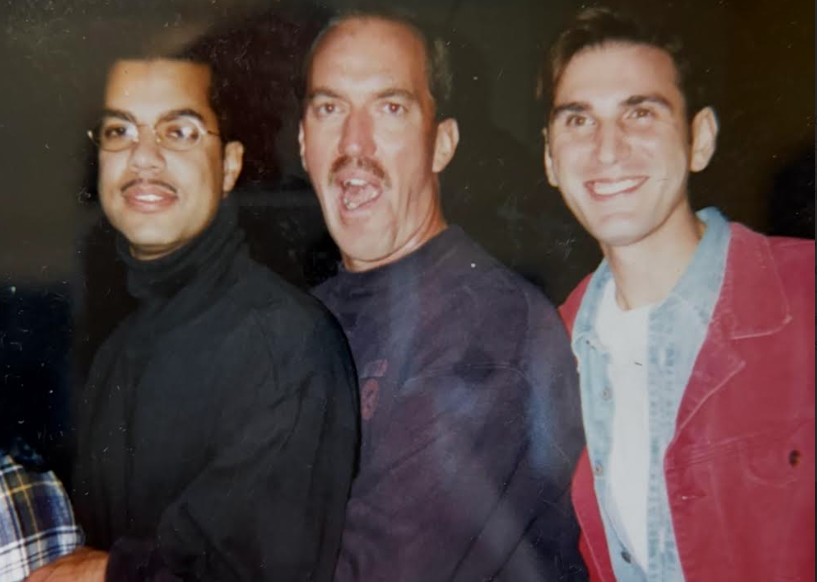
Lawrence (middle) at Gay Day Disneyland after coming out in L.A.
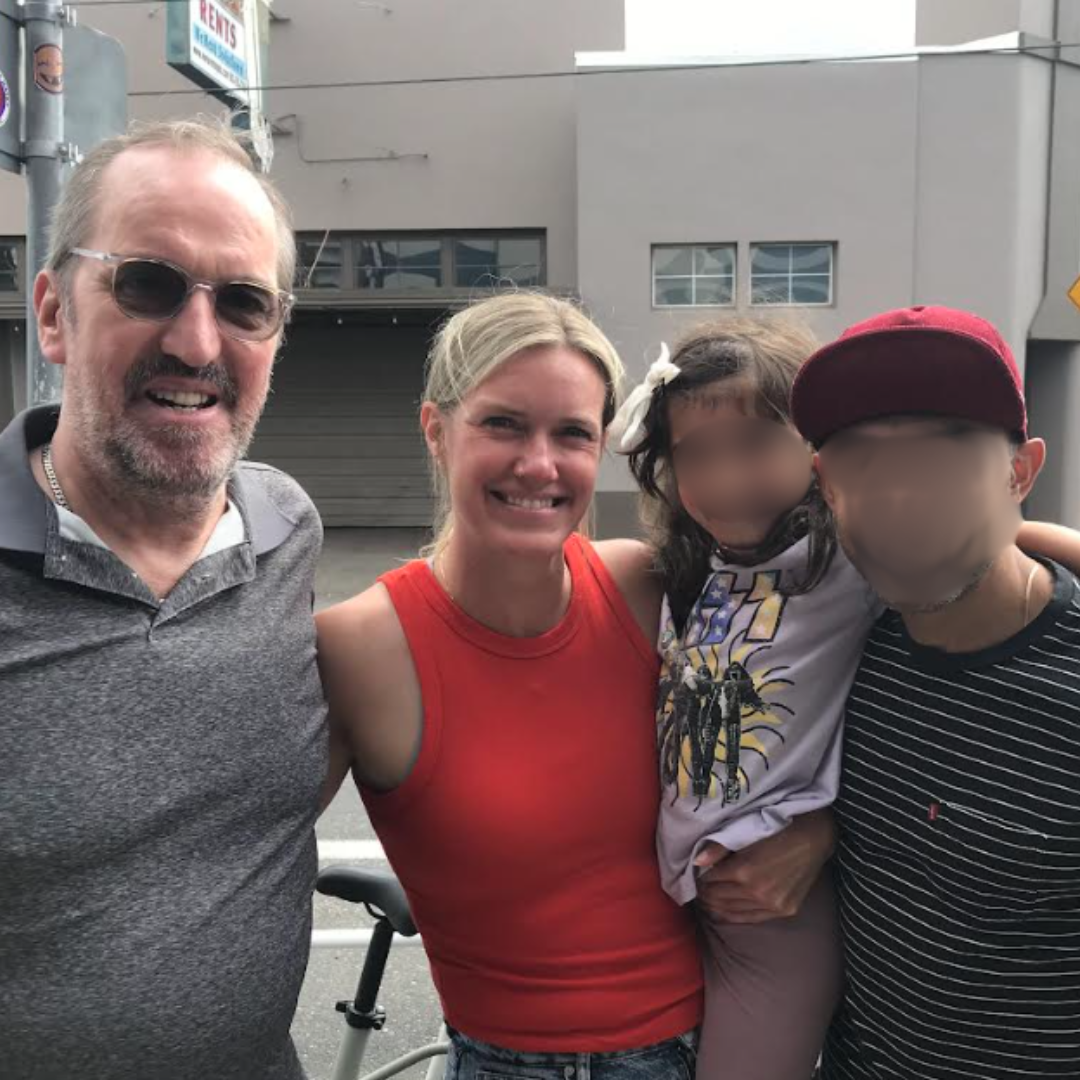
Lawrence with daughter and family.
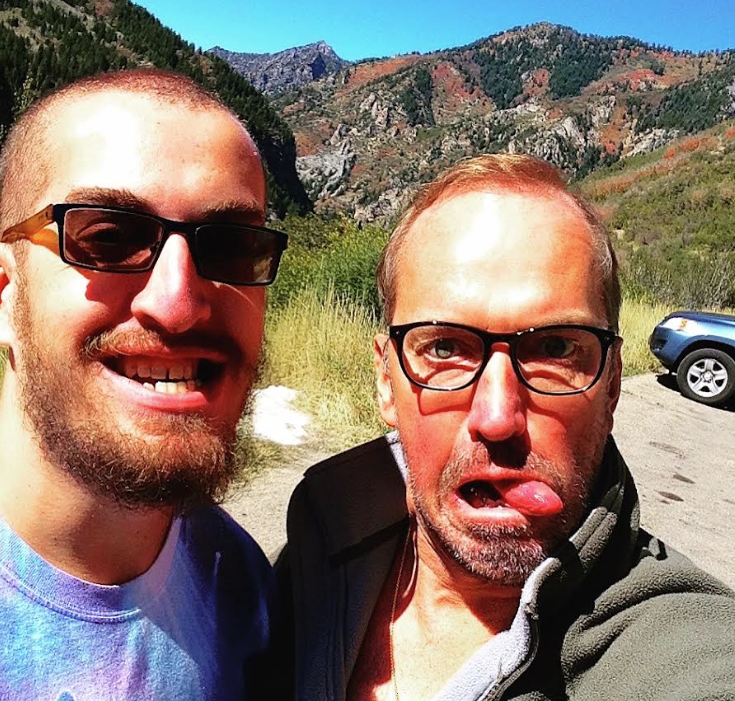
Lawrence and his son.